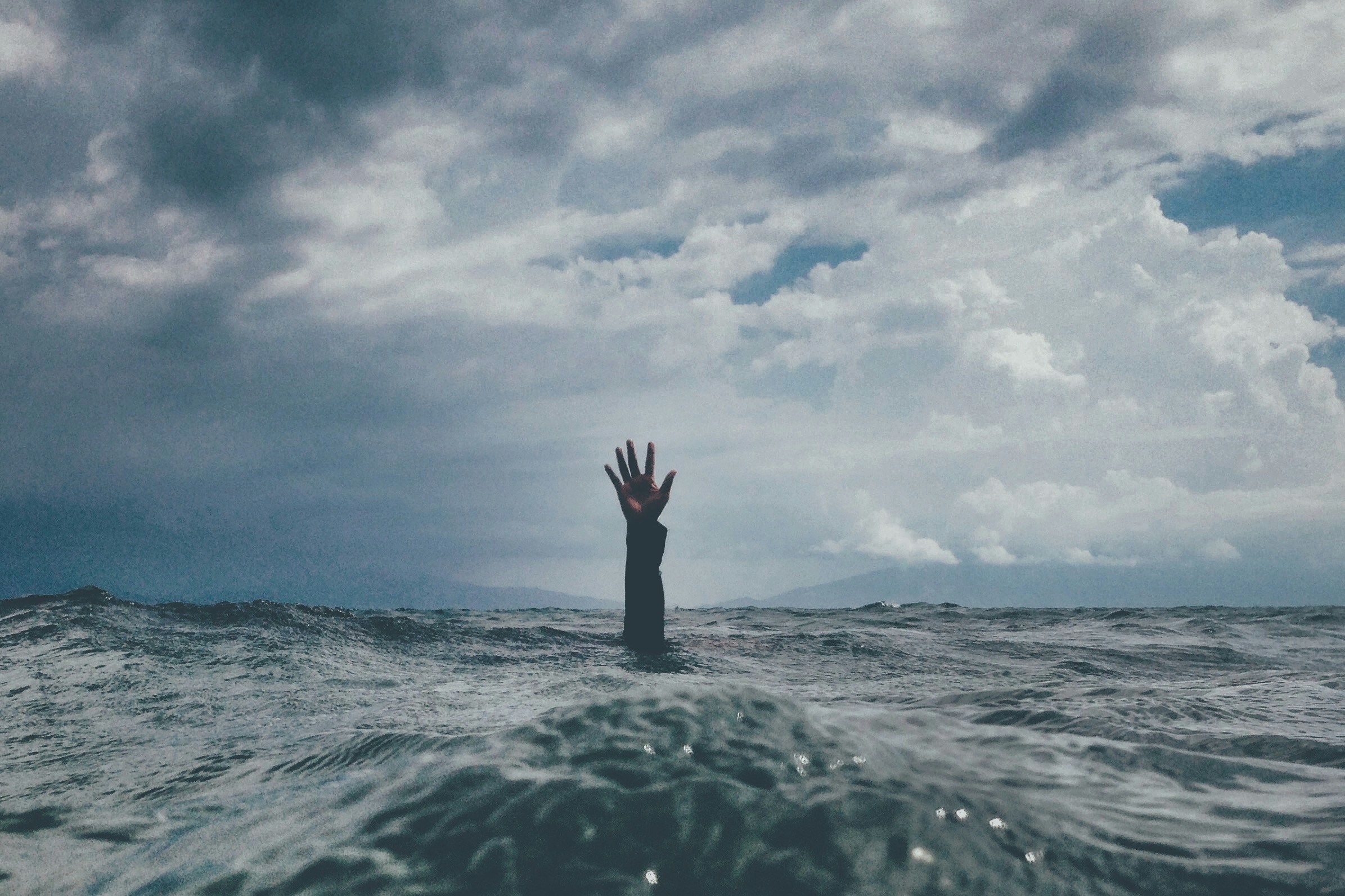

Why Do I Feel Burned Out All the Time?
You may feel burned out all the time because your emotional, mental, and physical capacity has been exceeded over a long period—not just by workload, but by ongoing stress, internal pressure, and lack of recovery. Burnout often continues even after rest when your nervous system hasn’t had space to fully reset or receive support.
There’s a particular kind of exhaustion that doesn’t go away with rest.
You sleep, but still feel tired.
You take time off, but don’t feel restored.
You keep functioning; but something in you feels depleted.
If you’ve been asking yourself “Why do I feel burned out all the time?”, it often isn’t just about how much you’re doing.
It’s about how much you’ve been holding.
Burnout Is Not Just About Work
Burnout is often framed as a productivity issue. Too many tasks. Not enough time.
But many people experiencing burnout are thoughtful, responsible, and deeply caring. They’re not just managing workloads they’re managing:
- Emotional labor in relationships
- Internal pressure to “keep it together”
- Constant self-monitoring and self-criticism
- A nervous system that rarely feels fully at rest
Over time, this creates a kind of chronic emotional output without enough replenishment.
Why It Feels Constant
Burnout becomes ongoing when there isn’t space to:
- Pause and process what you’re carrying
- Receive support instead of always being the one giving it
- Recognize limits before you reach exhaustion
Instead, many people adapt by pushing through.
And the more capable you are, the easier it is for burnout to go unnoticed by others and by yourself.
Over time, this pattern often connects to limits that haven’t been expressed, which is where How to set boundaries without guilt becomes important.
A Different Way to Understand It
Burnout is not a failure to cope.
It’s often a signal that something in your system has been overextended for too long.
Not broken.
Not weak.
Just carrying more than it can sustainably hold.
What Helps
The shift doesn’t usually come from doing more.
It comes from:
- Noticing what you’ve been holding
- Allowing support in
- Rebuilding a sense of steadiness, not just productivity
Sometimes the first step is simply recognizing:
You’re not imagining this.
And you don’t have to keep carrying it alone.
Burnout & Emotional Exhaustion: Common Questions
Why do I feel burned out even when I’m not that busy?
Burnout is not only caused by how much you do. It is often connected to how much you are holding emotionally, how much pressure you place on yourself, and how often your system is in a state of stress without enough time to recover.
Can burnout be constant?
Yes. Burnout can feel constant when there hasn’t been enough time or support to fully recover. If your nervous system stays activated or overwhelmed, the feeling of exhaustion can continue even during rest.
What are early signs of burnout?
Early signs of burnout may include:
- Ongoing fatigue that rest doesn’t fix
- Irritability or emotional sensitivity
- Difficulty concentrating
- Feeling disconnected from yourself or others
- Loss of motivation
What’s the difference between burnout and emotional exhaustion?
Burnout is a broader experience that often includes emotional exhaustion, mental fatigue, and reduced capacity over time. Emotional exhaustion is one core part of burnout and refers specifically to feeling emotionally drained and depleted.
Why does burnout feel like it never goes away?
Burnout can persist when the underlying patterns—like overextending, people-pleasing, or chronic stress—haven’t shifted. Rest alone may not resolve burnout if your system is still carrying the same level of emotional load.
How do I recover from burnout?
Recovery from burnout often involves:
- Reducing ongoing stressors where possible
- Increasing emotional and practical support
- Creating space to process what you’ve been holding
- Rebuilding a sense of steadiness over time
Is burnout a mental health condition?
Burnout is not classified as a formal mental health diagnosis, but it can significantly impact emotional wellbeing, stress levels, and daily functioning. Many people benefit from support when working through burnout.
Burnout is a state of emotional, mental, and physical exhaustion caused by prolonged stress and unmet recovery needs.
Common reasons burnout feels constant:
- Ongoing emotional stress
- High internal pressure
- Lack of rest that actually restores
- Limited support
- Difficulty slowing down
What helps with burnout:
- Creating space to pause
- Noticing what you’re carrying
- Allowing support
- Rebuilding emotional capacity gradually
FAQ's
Why do I feel burned out even after resting?
Because burnout is not only physical. If your emotional load and stress patterns haven’t shifted, rest alone may not fully restore your energy.
Can burnout be long-term?
Yes. Burnout can feel ongoing when the underlying patterns—like overextending or chronic stress—are still present.
What are early signs of burnout?
Early signs include fatigue, irritability, difficulty focusing, and feeling disconnected from yourself or others.
Click here to schedule an appointment
Related article